History
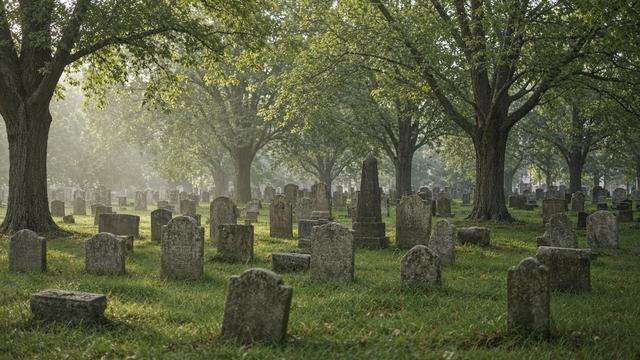
Easton’s Philip Francis Thomas died Oct. 2, 1890 — Spring Hill still holds him
Maryland State Archives records the Easton-born governor’s 1848–51 term, Treasury months in 1860–61, and burial at Spring Hill Cemetery.
Section
23 stories
Town biographies and the county record older than this edition.
Local History is the Patriot's home for Talbot County lives that still shape the map: the towns, the plantations, the harbor, and the chapel. These are biographies, not news briefs. Frederick Douglass remains a county figure on the Local History index, not a town card.
Maryland State Archives records the Easton-born governor’s 1848–51 term, Treasury months in 1860–61, and burial at Spring Hill Cemetery.
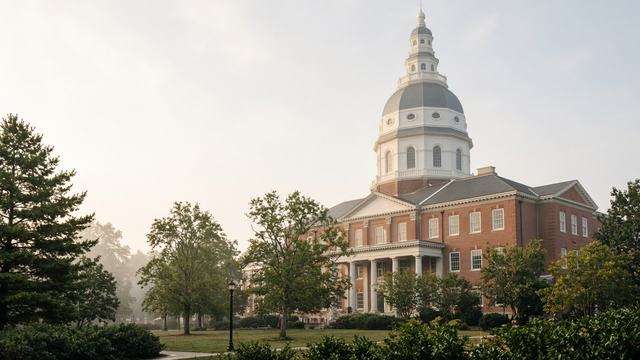
Maryland State Archives place the 1979–87 governor’s birth in Easton on Nov. 13, 1926; he died in Denton on March 13, 2019.
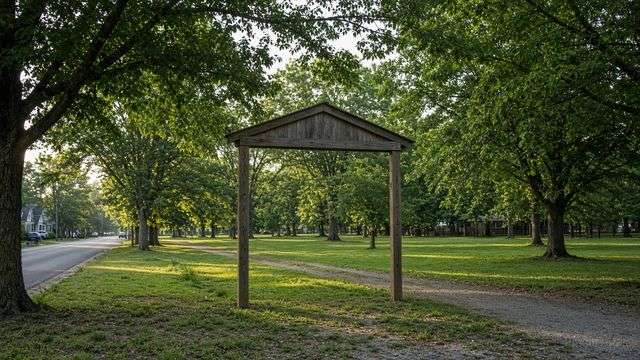
Home Run Baker Park and its Main Street historical marker keep the Baseball Hall of Fame record on the ground in Trappe.
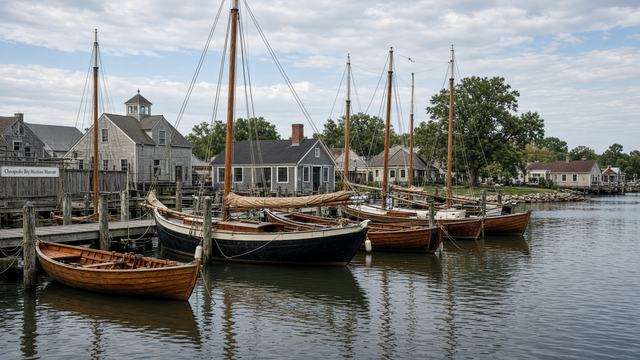
Mid-Atlantic Small Craft Festival XLIII puts sailing skiffs, shells, and one-of-a-kind boats on the Miles River. Public guests use two-day general admission (adults $20 online / $22 in person; free for CBMM members).
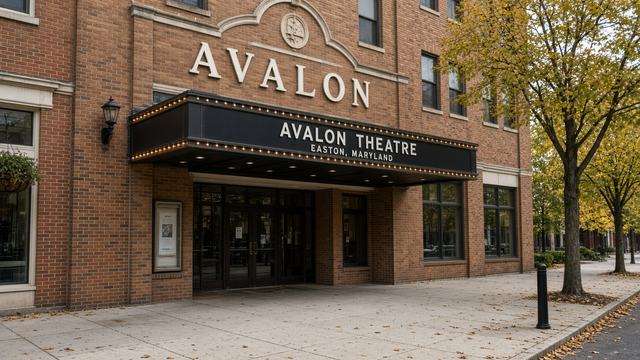
Parade, Spring Hill wreath for Maryland Line veteran Solomon Barrott, and Patrick K. O’Donnell at Avalon; 9 a.m. to 12:30 p.m.
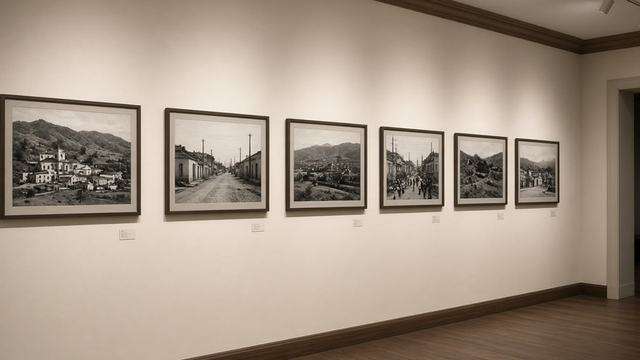
More than 50 vintage photographs of U.S.–Mexico exchange after the Mexican Revolution hang in the Lederer Gallery through Oct. 11 as part of the museum’s Maryland 250 programming.
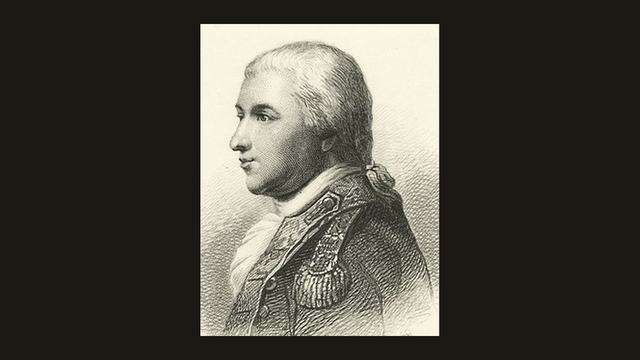
Talbot Historical Society’s free one-hour tours cover 250 years of buildings and stories; 10 spots per tour; reserve at 410-822-0773 or kaylaw[at]talbothistory.org.
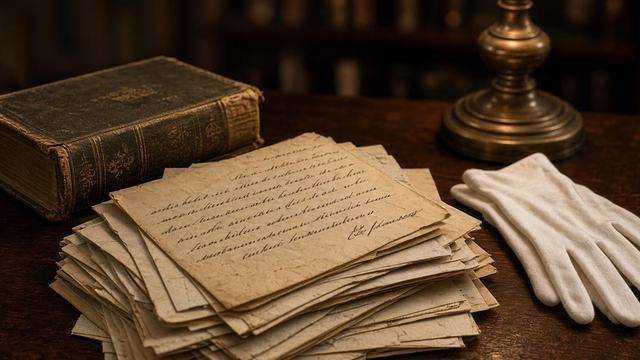
Professors Nicole King and Celeste-Marie Bernier discuss mother-daughter freedom work in the Meeting Room at 100 W. Dover Street; adult program.

Author discusses Frederick Douglass and the antislavery Constitution in the Meeting Room at 100 W. Dover Street as part of 2026 Frederick Douglass Day programs.
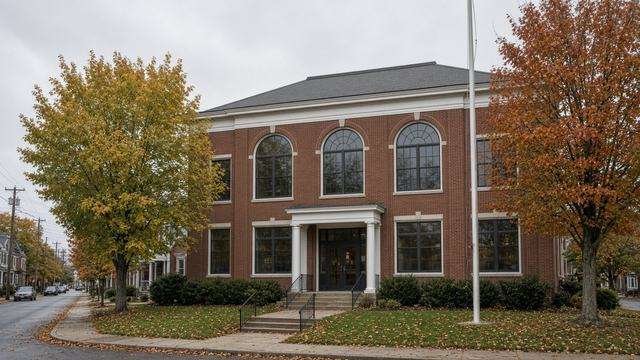
MidShore Constitutional Alliance hosts families Thursday noon–3:30 p.m. at 100 West Dover Street; Council’s Sept. 8 proclamation sets Constitution Week Sept. 17–23, with the Constitution Bowl championship Saturday at 1 p.m. in the same building.
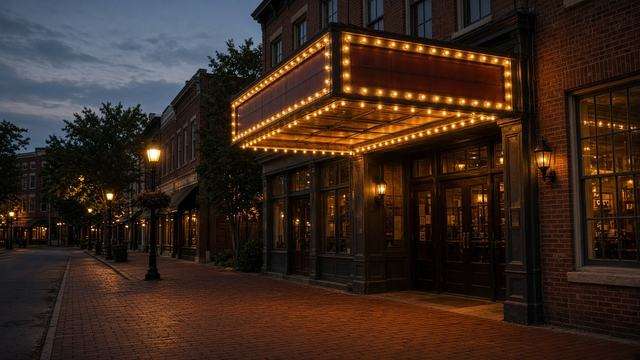
Harriet Tubman Museum & Educational Center presents guitarist David B. Cole Friday at 6 p.m.; doors 5:30; tickets $50/$40 (fees not included); Avalon facility rental supporting the Cambridge museum’s Tubman and Eastern Shore freedom legacy work.
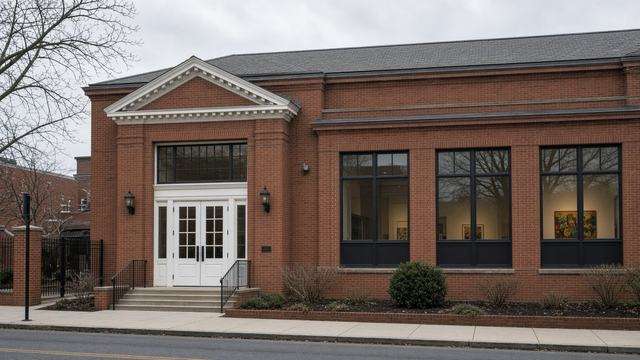
Academy Art Museum presents Robin Owen Joyce, Ph.D., on Cross-Border Solidarity — Catlett, Wilson, Burroughs, White, Woodruff and Mexican print/mural workshops, 1930s–early 1950s; free, register for a seat.
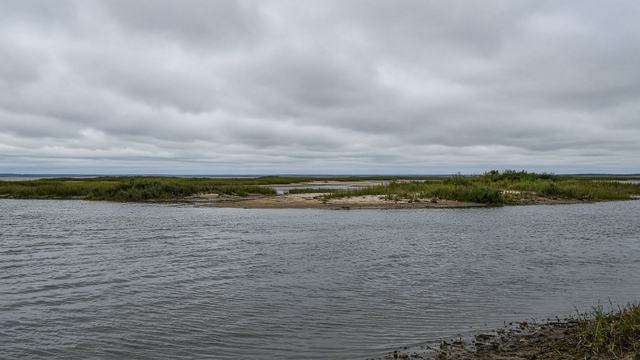
Talbot Historical Society members-only tour — free; boat from 21548 Chicken Point Road, Tilghman; 24-guest cap; reserve at 410-822-0773.
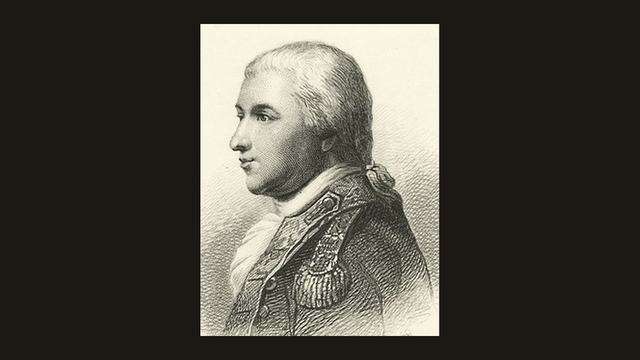
Born Christmas Day 1744 two miles from Easton. Washington's most loyal aide, serving August 1776 to November 1783. The rider who took Yorktown to Congress.
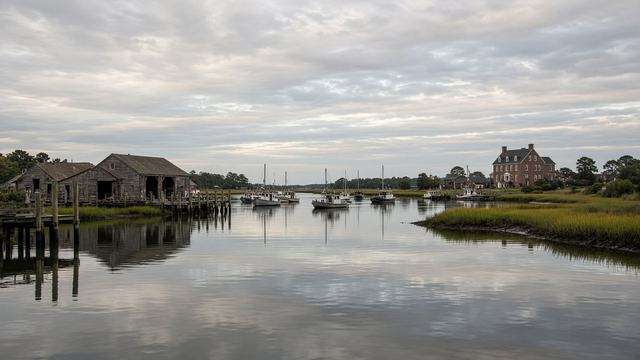
A Revolutionary captain with a ruined left arm, later major general of militia. He had the Miles River in August 1813. The lanterns entered the story two generations later.
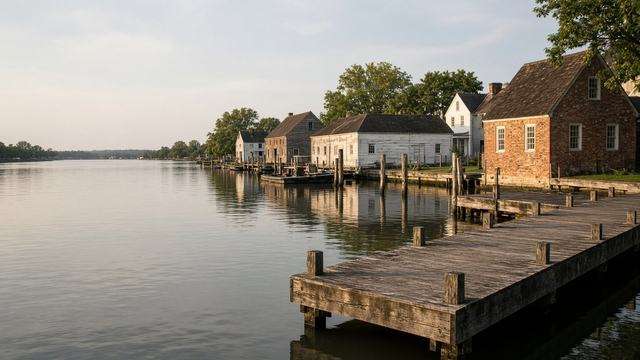
A Liverpool sailor's son who, in twelve years on the Tred Avon, made a small landing the Eastern Shore's chief port. A salute fired in his honor killed him at thirty-nine.
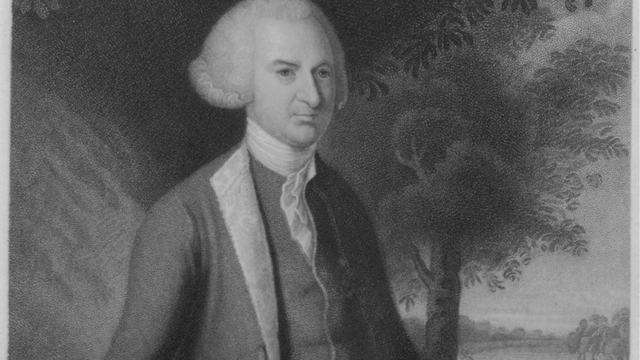
Born on a Choptank plantation near Trappe in November 1732. The Penman of the Revolution. He would not sign the Declaration. He signed the Constitution. He wrote the Articles in between.
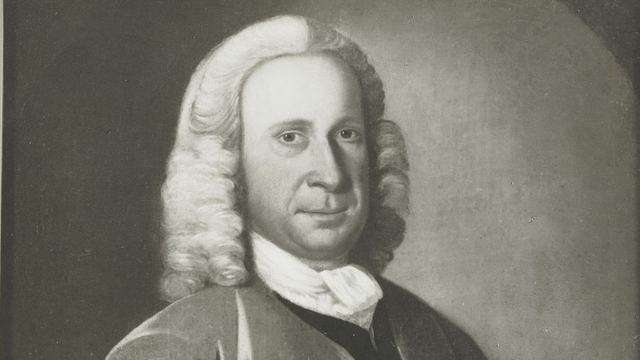
Born 1718 at the Hermitage in Queen Anne's. Seated at Rich Neck above Claiborne. The island took the family name. Later writers called him the father of Maryland's Revolution.
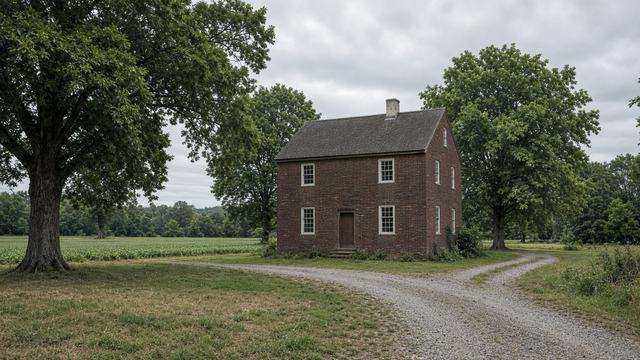
An English Jesuit who, in 1765, took a farm in the old Chapel District and made it a mission. He built the brick chapel in 1782 and is buried under the floor.
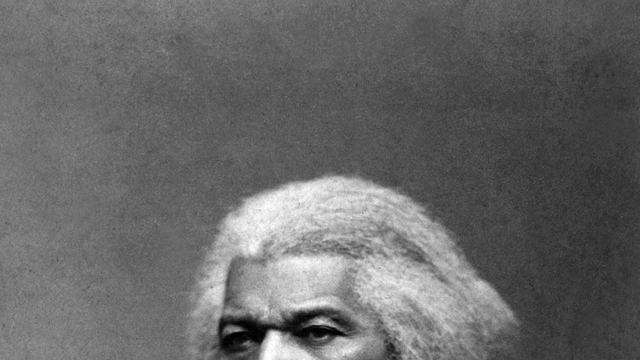
Born on a Talbot farm. The principal Black voice of the nineteenth century. He belongs to the whole county.
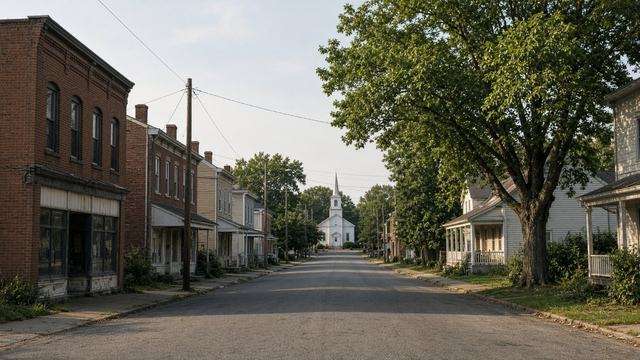
Enslaved, soldier of the 30th U.S. Colored Troops, school founder, and the man who put Emancipation Day on the Trappe calendar in 1867.
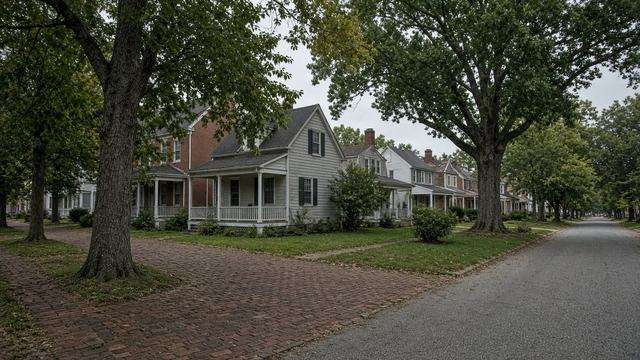
A midwife who bought her family out of slavery and, in 1792, bought land in Easton. The neighborhood she helped seat is still lived in.
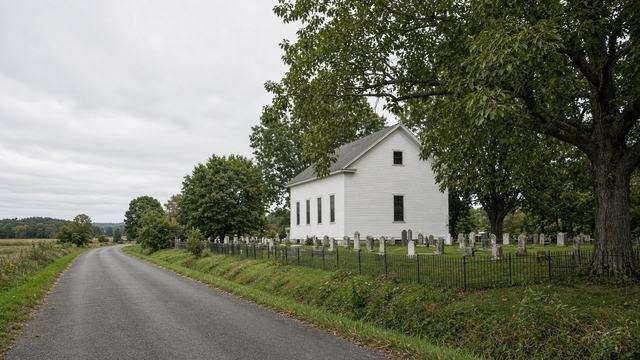
Eighteen veterans of the United States Colored Troops came home to Lombardy Neck in 1867 and built a village. They named it for the Union.
Looking for an older piece? Search the archives.